
Deborah Cox
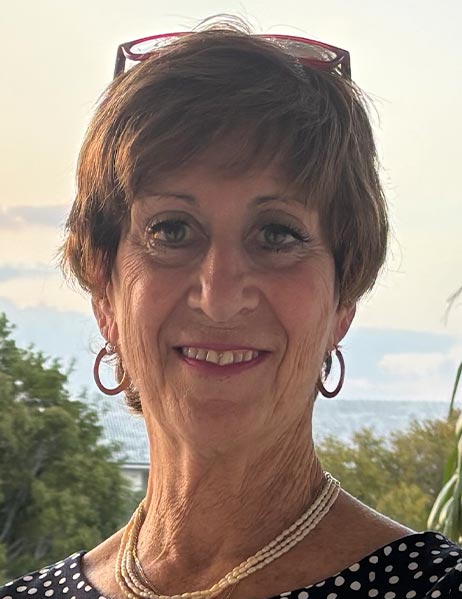
Deborah Cox, RN, is a nurse educator specializing in health, wellness, and cognitive support for adults aged 55 and older.
Educated in Alberta, Canada, she brings a strong clinical background in orthopedics, trauma, and bariatric surgery, and previously served a two-year term as President of the American Society of Bariatric and Metabolic Disease for nursing, psychology, and nutrition.
Known for her ability to simplify complex medical topics, Deborah creates engaging, visually rich educational programs designed for older adults and memory-care communities.
Her work blends clinical expertise with creativity, prioritizing dignity, accessibility, and practical strategies that help seniors stay informed, supported, and connected through meaningful, compassionate education.
INCLUDE
An Exploration Of Health And Wellness
What they mean, why they matter, and how simple everyday habits can help us stay strong, independent, and joyful as we age.
This lecture will give you easy-to-understand ideas that support better energy, better movement, clearer thinking, and overall well-being. Small changes can make a big difference, and we’ll look at ways to build those changes into daily life.
What Is Health? Health means more than “not being sick.” It includes how well your body works, how clearly your mind thinks, and how emotionally balanced you feel. Good health allows you to move comfortably, breathe easily, eat well, sleep well, and enjoy daily life.
What Is Wellness? Wellness is the active process of making choices that help you live your best life. It includes everything we do to support our physical, emotional, social, and spiritual well-being—such as staying active, eating balanced meals, connecting with others, managing stress, and keeping our minds engaged.
The Process Of Aging
This lecture will explore how and why the body changes with age, and how understanding these changes can help us stay strong, independent, and confident throughout later life. It’s a comprehensive overview of how and why the body and mind change over time. The focus is on normal physiological and mental changes with aging, not disease.
Aging is a normal, natural process that happens to every person. It is not a disease. As we grow older, our bodies, minds, and senses go through gradual changes—just as they did when we were children, teenagers, and adults. These changes are part of the body’s natural rhythm.
Aging may bring slower movement, changes in vision or hearing, less muscle strength, and shifts in memory or energy levels—but these are expected, and many can be supported with healthy habits, social connection, and regular activity.
Introduction To Stroke: What It Is, How It Happens, And How We Can Prevent It
This lecture explores the anatomy and physiology of stroke and the need for awareness and tools for prevention. A stroke happens when the blood flow to a part of the brain is suddenly blocked or when a blood vessel in the brain bursts. Without blood and oxygen, brain cells begin to die within minutes. This makes stroke a medical emergency, and quick action can save brain function and even save a life.
The good news is that many strokes are preventable. Managing blood pressure, staying active, eating well, not smoking, and recognizing early warning signs can greatly lower risk. Understanding what a stroke is, how it occurs, and what we can do to prevent it helps us take control of our health as we age.