
Betsy Schwarm
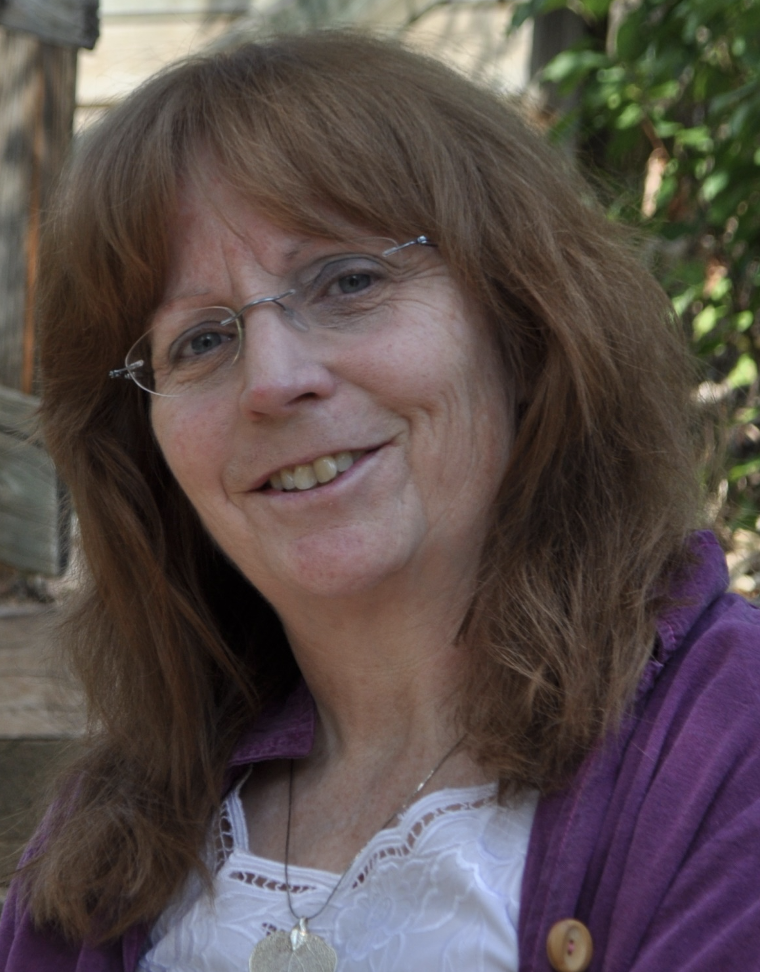
Music historian Betsy Schwarm spent a dozen years on the air at the vintage KVOD radio, “The Classical Voice of Denver.” She has also taught university-level music appreciation, but is especially known for her user-friendly approach to talking about classical music. She gives pre-performance talks for Opera Colorado, has frequently spoken at the Colorado Symphony, and has written ten books on classical music as part of her Classical Music Insights series. The most recent of these is Classical Music Insights: Between the Wars (2021). More than 200 of her articles are available on Encyclopædia Britannica online. Additionally, she writes for classical performers and organizations throughout the US and abroad, and teaches for the University of Denver Enrichment program, as well as other organizations.
Looking for something special, regardless of the time of year?
Whether it’s spring, summer fall or winter, Betsy has lectures that are timely and topical that your residents will love!
Click here to see the classical music lectures Betsy recommends throughout the year
Betsy Schwarm’s lectures are roughly 60 minutes, including time for a Q&A.
INCLUDE
Classical Music For Seasons And Holidays
Twelve Months of Programs with Betsy Schwarm
-
January: Sleigh Rides & Snowstorms: Winter in Classical Music
For musical expression of the snowy season, Vivaldi’s Winter is hard to beat, but it is not alone. Mozart, Tchaikovsky, and Leroy Anderson also brought their skills to the topic. Music historian Betsy Schwarm brings sounds of a classical winter, and the stories behind the music.
-
February: Classical Hearts and Flowers: Music of Romance
Two familiar wedding marches, tender songs, a bit of Tchaikovsky’s Romeo and Juliet: music historian Betsy Schwarm presents a variety of classical music on themes of love, and the stories behind the music. Puccini’s timeless romance, La Bohéme, rounds out the program in video form.
-
March: Beyond Danny Boy: Classical Music with Irish Connections
Irish music isn’t only Danny Boy! The spirit of the Emerald Isle also appears in classical music, thanks to Irish-born composers, as well as great composers from other lands, even Beethoven. Music historian Betsy Schwarm delves into the subject.
-
April: Spring Flowers: Classical Music for Springtime
Birdsong and blossoms, nature reborn, a touch of young love: the charms of springtime have a treasured place classical music. Music historian Betsy Schwarm brings us favorites from Vivaldi, Mendelssohn, and a bit of a May Day celebration in Olde England.
-
May: A Classical Lady for Mother’s Day: Clara Schumann
From the age of eight, Clara Schumann (1819 – 1895) was a classical music star. Gifted pianist, influential teacher, skilled composer: she captured the headlines. Music historian Betsy Schwarm brings the music and insights into Clara’s life and career.
-
June: The Livin’ is Easy: Summertime in Classical Music
Gershwin’s song may be the best-known bit of summery music, but it’s far from the only option. Music historian Betsy Schwarm also offers seasonally flavored works from Vivaldi, Beethoven, Respighi, and a spirited Swedish Midsummer celebration.
-
July: A Star-Spangled Survey: Sousa, Copland, Bernstein, and More
Marches, fanfares, film music, Simple Gifts, and a hint of spangly stars: a red, white, and blue selection of American classical music. Music historian Betsy Schwarm has the music and the stories behind the scenes with compositions tied to our national holiday.
-
August: On the Trail: A Classical Grand Canyon
From sunrise to sunset, the Painted Desert, a burro trip, and a magnificent thunderstorm. It’s all told quite vividly in music by American composer Ferde Grofé. Music historian Betsy Schwarm guides us through the journey, including pictures of the scenes and the composer’s own thoughts.
-
September: Falling Leaves: Classical Music for Autumn
Fall festivals, wine-tinged revelries, Autumnal dancing, and a harvest hymn: classical music for Autumn! Music historian Betsy Schwarm brings musical visions of shorter days, cooler temperatures, and imagery both graceful and joyous. The stories behind the music add to the exploration.
-
October: Ghosts and Goblins: A Classical Halloween
From sweet to spooky, Halloween offers opportunities for imagination. Classical composers have embraced that in various ways. Music historian Betsy Schwarm brings some examples: music for a haunted mountain, an apprentice sorcerer, and a hint of Alfred Hitchcock.
-
November: The Nutcracker: Artistry, Excellence, and Not Just for Kids
Many of us first saw The Nutcracker in childhood. However, Tchaikovsky didn’t write it just for youngsters. He also hoped to create a satisfying artistic experience for all. Music historian Betsy Schwarm explores the work, its background, and its musical highlights.
-
December: Silent Nights and Festive Days: Classical Music for Christmas and Hanukkah
The end of the year brings celebrations both sacred and secular, frequently adorned with music. Music historian Betsy Schwarm offers Yuletide merriment, Hebrew folk songs, the beauteous light of Christmas morning, and the peace of a silent night.
Classical Hit Tunes
Vivaldi’s The Four Seasons – Beethoven’s Ode to Joy – Tchaikovsky’s 1812 Overture – Gershwin’s Summertime: Some of the most beloved classical music is immediately familiar, even to those who would swear they’ve never been to a classical concert. Classical music historian and frequent public speaker Betsy Schwarm brings her user-friendly approach to the topic. How did those works become so widely famous? Does everything that’s well-written become iconic? Probably not! Dive into some great music you already know, and learn how it earned its place in the spotlight!
Classical Hits – A Second Sampling
Even people who think they don’t know any classical music would still have to admit that the opening of Beethoven’s Symphony no. 5 sounds familiar. They’d say the same thing about Bizet’s bullfighter music from Carmen and Mendelssohn’s Wedding March. Speaking of weddings, there’s Pachelbel’s Canon. One might not know his name, but the music instantly rings bells. Classical music historian and frequent public speaker Betsy Schwarm brings her user-friendly approach to famous pieces of classical music that are still resoundingly popular today. How did these works come to be written? Let’s find out together!
Decking The Halls With Dickens – A Classical Christmas
Classical composers have often found inspiration in Dickens’ A Christmas Carol. Its festive street scenes, Fezziwig’s party, the Cratchit family gathering, even Scrooge’s redemption gain from musical expression. Music historian Betsy Schwarm’s program may have you wanting to sing along!
America’s Maestro: The Artistry Of Leonard Bernstein
On Sunday, November 14, 1943, 25-year-old Leonard Bernstein debuted with the New York Philharmonic in Carnegie Hall. The first American-born conductor to lead a first-rank orchestra, he went on to become one of the biggest names in classical music. Betsy Schwarm will explore what Bernstein brought to great music, both in his conducting and in his own compositions.
Jewish Flavors In Classical Music
Even if they weren’t/aren’t Jewish (as Irving Berlin and Leonard Bernstein were), many composers have been inspired to draw upon the rhythm and flow of Jewish music. Some echoed folk traditions, others the synagogue – even if the resulting composition wasn’t intended for worship, the result was always something distinctly Jewish in spirit. Classical music historian Betsy Schwarm explores the classical sounds of Judaism in this moving and informative program.
Viennese Visions: Mozart, Beethoven, And Johann Strauss Jr.
Imperial Vienna was the perfect place for those who wished to revel in great music – or to earn a musical living! In this survey, music historian Betsy Schwarm offers music and insights. We’ll sample a piano concerto, a symphony, and a waltz from three generations of superstar composers.
Great Movie Music
A certain bit of music from the original film Psycho might leave some people reluctant to go in the shower. A splashy, brassy fanfare could have certain listeners imagining light sabers and X-wing fighters. It’s iconic movie music, often using the same techniques found in the classical concert hall. Classical music historian and frequent public speaker Betsy Schwarm brings her user-friendly approach to the topic, including film clips to allow us to relive these great movie moments.
Film Music Before John Williams: Korngold, Herrmann, And More
For decades, John Williams (b. 1932) has been the king of movie music, giving voice to some of the most iconic film characters. But even Williams had his predecessors. Let’s go back to the start of films having recorded musical scores. As Robin Hood, Errol Flynn smiled and sparred to the music of Erich Korngold. For Scarlett O’Hara and Vivien Leigh, it was Max Steiner, and for certain shower scenes, the music is by Bernard Herrmann. Join music historian Betsy Schwarm for this musical exploration – with film clips!
Star Wars To Superman To Schindler’s List: The Music Of John Williams
From Luke Skywalker to Abraham Lincoln, countless iconic films have been enhanced by music of John Williams. For the past 50 years, he’s been the biggest musical name in Hollywood; scarcely a person alive can honestly claim to have never heard a scrap of Williams. He’s also composed for the Olympic games, presidential inaugurations, and cellist Yo-Yo Ma, and many other others. Join music historian Betsy Schwarm for this musical exploration, including film clips featuring his best known work.
A Star-Spangled Survey: Sousa, Copland And Bernstein
Marches, ballets, symphonies, and Broadway: American composers have brought much to the world of classical music. Music historian Betsy Schwarm has the music and the stories behind the scenes, and a selection of music by three of the most famous composers.
American Classical For July 4
Sousa marches – Copland’s Fanfare for the Common Man – Irving Berlin’s God Bless America – John Williams’ Midway March. Music historian Betsy Schwarm brings familiar tunes, along with new discoveries. Yankee Doodle and Hail, Columbia share a piano with The Star-Spangled Banner!
Classy Ladies: Women Composers Of Classical Music
Beethoven and the boys get most of the attention, but there have also been fine women composers, many earning widespread success and admiration. Classical music historian and frequent public speaker Betsy Schwarm brings her user-friendly approach to the topic. From Clara Schumann in 19th century Germany to Cécile Chaminade in early 20th century France to numerous names today, there’s much to explore, including American Caroline Shaw’s Pulitzer Prize winning composition from 2013. Get to know these classy ladies and their compelling music!
Impressionism In Classical Music: Debussy And More
But how does it reflect Monet’s paintings, and what other composers were involved? Music historian Betsy Schwarm presents perspectives, with artistic images to set the scene.
Ivory Expressions: Chopin And Rachmaninoff
Combining the skills of a superior pianist and a superior composer often leads to magical results. Certainly, that’s true of Chopin and Rachmaninoff. Betsy Schwarm presents a sampling and comparison of their works, both solo piano and with orchestra.
Classical Hearts And Flowers: Music Of Romance
Two familiar wedding marches, songs of love, and a bit of Romeo and Juliet: Music historian Betsy Schwarm presents a mix of classical music for romance, from Wagner and Mendelssohn to Tchaikovsky and Puccini. Clara Schumann also appears on the program.
Beyond Danny Boy: Classical Music With Irish Connections
Irish music isn’t all Danny Boy! The Emerald Isle also appears in classical music. Beethoven arranged Irish songs, English-born composer Sir Arthur Sullivan had an Irish father, and American Ben Moore admires Irish poetry. Music historian Betsy Schwarm delves into the subject.
French Confections: Classical Music From Paris And Beyond
Debussy may be the biggest star of French classical music, but he isn’t the nation’s only master composer. In recognition of Bastille Day, music historian Betsy Schwarm samples a variety of French composers, from a Fantastic Symphony to Carmen.
On The Trail: A Classical Grand Canyon
Maybe you haven’t been to the Grand Canyon lately, but you’ve likely heard Grofé’s Grand Canyon Suite: Sunrise, the Painted Desert, on the trail with burros, a powerful thunderstorm, and a splendid sunset. Music historian Betsy Schwarm gives us a tour.
Latin Spirit In Classical Music: Asturias And More
Fandangos with a measure of elegance! Latinx moods have long been admired in classical music. Albéniz’ Asturias you’ll recognize, Rodrigo’s guitar concertos, too. Music historian Betsy Schwarm will start with composers from Spain, but branch into the Western Hemisphere, too.
The Nutcracker: Artistry, Excellence, And Not Just For Kids
Many of us first saw The Nutcracker in childhood. However, Tchaikovsky didn’t write it just for youngsters. He also hoped to create a satisfying artistic experience for all. Music historian Betsy Schwarm explores the treasured holiday work, its background, and its musical highlights.
Beyond The Ballets: Another Side Of Tchaikovsky
Tchaikovsky’s catalog of works is not limited to the ever-popular Nutcracker. Music historian Betsy Schwarm provides perspectives on other Tchaikovsky works having no dancers at all: the dramatic First Piano Concerto, the elegant String Serenade, and the fateful Fifth Symphony.
Classical Music Insights
Magical Mozart
From Salzburg to Vienna, from symphonies and operas, to concertos and chamber music: Mozart could do it all. Alas, he didn’t quite make it to his 36th birthday, but he’d already spent thirty years on the international scene, setting a standard that other composers struggled to match. What made Mozart and his music so special? Let’s find out together, with both music and excerpts from his letters to tell the story. A Little Night Music is just the beginning!
Bravo, Beethoven!
Even people who don’t follow classical music know the opening of Beethoven’s Symphony no. 5, but there’s so much more to the man and his music than just those four ever-so-famous notes. Even once you add the Ode to Joy, the list has still scarcely begun. What made Beethoven’s music the way it is, and how does it differ from his predecessors? Let’s find out together, with plenty of music, comments from those who knew him, and a look behind the notes!
Singable Schubert
Schubert may be best known for the symphony he didn’t finish. However, his widely admired Unfinished Symphony is only one part of the story. This Viennese native was also a master of songs, setting poems to music so that the words became even more powerful than they had been on the page. We’ll consider both sides of Schubert’s creative voice, vocal and instrumental alike. Let’s find out together why, nearly 200 years after his passing, his compositions are still revered.
Dancing Moods
Ballroom dance styles, music for the ballet, and folk dance: All have their role in bringing danceable energies into the classical concert hall. Johann Strauss Jr.’s waltzes stand on their own, even outside the ballroom. Orchestral ballet suites need no choreography: listeners can focus on the music. As for folk dance, Dvořák’s Slavonic Dances were his point of entry into the world of classical music. Let’s consider how fine music can sound like dancing even without dancers!
Elgar And Company
From Pomp and Circumstance to Pirates of Penzance – and beyond – English composers have written some of the most beloved works in the world of classical music. Let’s sample some English classics! Along with Elgar and Sullivan, we’ll check in with Vaughan Williams and Holst, and even Benjamin Britten, bringing us well into the 20th century. What makes English music sound English, and why did English music not establish a foothold until the 19th century? Let’s find out together!
Glorious Gershwin
Few American composers are quite so singable as Gershwin! Even those who generally know better than to sing in public are still strongly tempted to croon along with his song Summertime. Then there’s the bounce and verve of I Got Rhythm, and so many other marvelous songs. Of course, Gershwin also composed memorable and masterful instrumental works, from Rhapsody in Blue to An American in Paris. Rhapsody in Blue even has a Denver connection. Let’s explore glorious George together!
American Artistry
Even before Gershwin set foot in Carnegie Hall, American composers were making their mark in classical music: slow to arrive on the scene but eagerly accepted once they stepped through the door. But what makes their music sound American, and why didn’t they charge into the field sooner than they did? Let’s find out together! Copland and Bernstein stand high on the list of important American classical composers, but there were names before them and after as well. Let’s discover them together!
Winter Pleasures
Vivaldi’s Winter from The Four Seasons is likely the most famous wintery expression of the snowy season. However, it is not the only choice. Both Wolfgang Mozart and his father Leopold composed sleigh-ride inspired music. Tchaikovsky brought winter to musical life both in The Nutcracker and in his first symphony. There are also classical songs on the subject: boisterous songs of ale and others on more shivery themes. Vivaldi and so much more: join us for classical pleasures of winter!
Diverse Voices In Classical Music
Classical music isn’t just something written by white Euro-American guys. Other cultures have also made their mark, bringing individual cultural voices to the concert hall for all audiences to experience, even alongside Beethoven. Classical music historian and frequent public speaker Betsy Schwarm brings her user-friendly approach to the topic. Spaniard Joaquin Rodrigo, American Duke Ellington, and Chinese composer Tan Dun have all been part of the action: diverse voices bringing personal perspectives to great music. Concierto de Aranjuez is just a start!
A single one-hour program will cover:
Joaquin Rodrigo (1901 – 1999): Concierto de Aranjuez (Spain)
Duke Ellington (1899 – 1974): Black, Brown and Beige (US)
Tan Dun (b. 1957): Crouching Tiger, Hidden Dragon (China)
If three separate one-hour programs:
Act I: African Origins
Chevalier de Saint-Georges (Joseph Bologne) (1745 – 1799): Violin Concerto in A major, op. 5, no. 2 (Guadeloupe/France)
Samuel Coleridge Taylor (1875 – 1912): Hiawatha’s Wedding Feast (England)
Florence Price (1887 – 1953): Symphony no. 3 in c minor (US)
Duke Ellington (1899 – 1974): Black, Brown and Beige (US)
Justinian Tamusuza (b. 1951): Ekitundu ekisooka (Uganda)
Billy Childs (b. 1957): The Vistas of America (US)
Act II: Asian Atmospheres
Xian Xinghai (1905 – 1945): Yellow River Cantata (China)
Toru Takemitsu (1930 – 1996): A String Around Autumn (viola concerto: 1989) (Japan)
He Zhan Hao (b. 1933) & Chen Gang (b. 1935): Butterfly Lovers Concerto (Japan)
Dia Succari (1938 – 2010): Suite for clarinet and orchestra, “Paroles” (Syria)
Tan Dun (b. 1957): Crouching Tiger, Hidden Dragon (China)
Kenji Bunch (b. 1973): Serenade for flute, violin, and viola (2013) (Japanese American)
Act III: Latin Spirit
Isaac Albéniz (1860 – 1909): Asturias (Spain)
Carlos Chávez (1899 – 1978): Sinfonia india (Mexico)
Joaquin Rodrigo (1901 – 1999): Concierto de Aranjuez (Spain)
Alberto Ginastera (1916 – 1983): Estancia (Argentina)
Robert Sierra (b. 1953): Sinfonia no. 3, “La Salsa” (Puerto Rico)
Clarice Assad (b. 1978): Sin Fronteras (Brazil/US)
Bright and Bubbly: Operetta from Vienna and Beyond
Operetta is the lighter side of opera: engaging singing, spoken dialog, up-beat endings, and some familiar tunes along the way! It’s a form of musical theater that, after capturing the attention of European audiences, came to inspire early Broadway musicals. Music historian Betsy Schwarm brings her user-friendly insights into the field. Favorite musical selections, video excerpts, and behind the scenes perspectives: Betsy’s recipe for sharing her love of the art form.
Session One: Viennese Sparkle
Take the swirl of a Strauss waltz. Add a festive spirit and a case of champagne. The result is Viennese operetta! No tragic endings. No fiendish bad guys. Just couples successfully working out their differences against a largely light-hearted background and a fair measure of social dancing. Music historian Betsy Schwarm brings us into the worlds of Die Fledermaus and The Merry Widow. Champagne flows and romance grows, complete with danceable happy endings!
Session Two: The Wit Of Paris And London
Can-Can girls and singing pirates: welcome to the world of French and English operetta! It’s one thing to have romance and humor as Viennese operetta offered. However, in Paris and London, a dash of social satire came into the mix. With Orpheus in the Underworld and The Pirates of Penzance, high-kicking chorus girls and hearty majors general take center stage! Music historian Betsy Schwarm brings stories behind the scenes and some delightfully familiar music.
Session Three: The Bright Lights Of Vintage Broadway
Before Broadway became “Broadway,” there were European operettas. When these came to New York City, they taught American composers how to write more compelling stage works. Music historian Betsy Schwarm will explore how the European practice of having music serve the story, rather than the other way around, put Gershwin and Company on a new path. From The Student Prince to Showboat and Girl Crazy (aka Crazy for You), there’s a close connection – even with North American settings!