
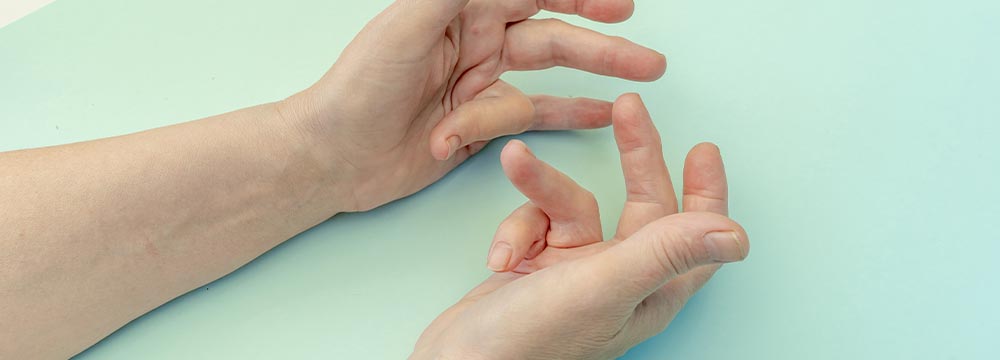
What Is Dupuytren’s Contracture?
Lorem ipsum dolor sit amet, consectetur adipiscing elit. Vivamus blandit porta nisi id condimentum. Suspendisse placerat, nisl et tempor congue, diam odio hendrerit enim, vel venenatis est sapien eu nulla. Aliquam dictum iaculis elementum. Aenean vel convallis odio. Duis sed gravida lectus, at ultrices augue. Mauris id dapibus ante. Integer accumsan mauris nec nisi tincidunt, sit amet viverra ante dignissim. Integer dui dui, molestie nec risus eget, sodales congue quam. Vestibulum ante ipsum primis in faucibus orci luctus et ultrices posuere cubilia curae; Etiam orci justo, molestie vel blandit vitae, condimentum dictum ipsum. Cras lacus risus, elementum sed tristique id, suscipit et lectus.
Symptoms
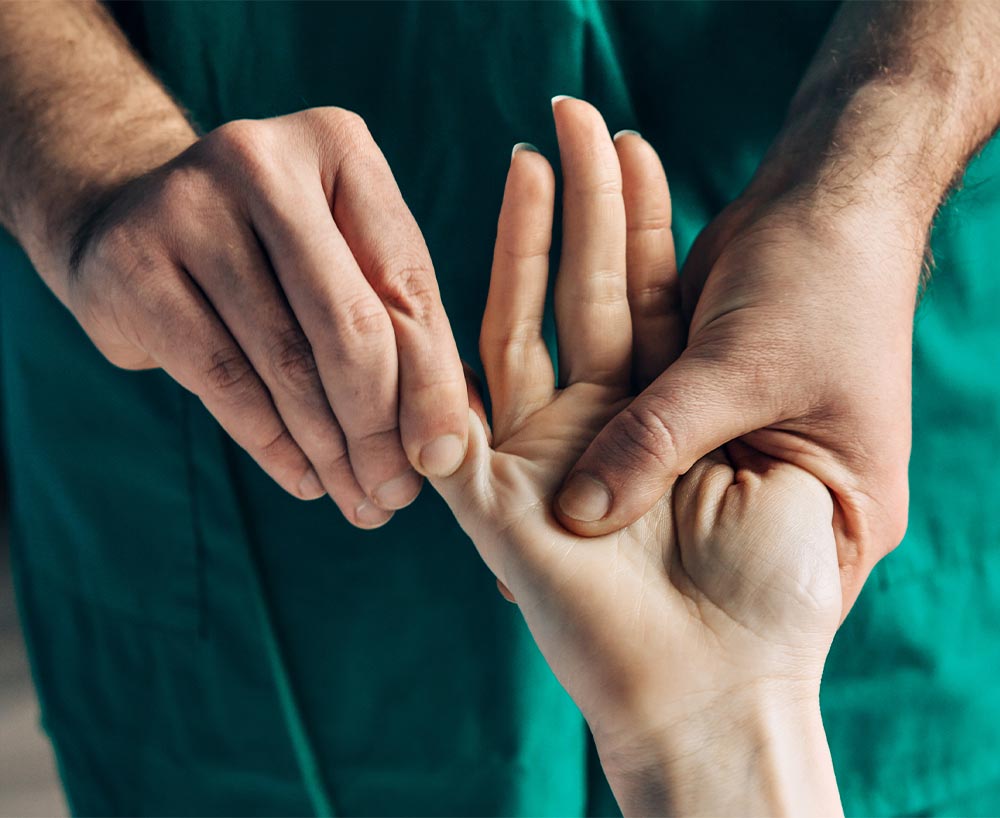
• Small, firm nodules or lumps in the palm
• Thick cords of tissue extending into the fingers
• Gradual inability to fully straighten one or more fingers
• Usually painless, though the condition can affect hand function significantly over time
• Thick cords of tissue extending into the fingers
• Gradual inability to fully straighten one or more fingers
• Usually painless, though the condition can affect hand function significantly over time
Causes and Risk Factors
Dupuytren’s contracture has a strong genetic component and is more common in people of Northern European descent, men over 40, smokers, and those with diabetes or a family history of the condition.
Treatment Options
Observation for early, mild cases – Needle aponeurotomy (needle release of the tightened tissue) – Collagenase injection to break down the contracted cord – Surgical fasciectomy for advanced contractures affecting hand function
Why Choose Hand & Upper Extremity Center of New England
Dr. Kadzielski evaluates the degree of contracture and your functional goals to recommend the least invasive effective treatment, with hand therapy support to maximize your post-treatment range of motion.

Notice your fingers pulling toward your palm?
Call (617) 773-2200 to schedule a consultation.